

A friend asks how the two of you met, and you tell it the way you always have. The party you nearly did not go to, the look across the room, the four hours on the balcony while everyone else drifted home.
You have told this story so often that it has a rhythm. People usually smile at the balcony.
This time, halfway through, you hear something in it that you have never heard before.
How fast it all was.
Both things are true
For many people, this is where the shame lives. Not in the ending. In the beginning.
You look back at how alive you felt and how much you believed, and you wonder what was wrong with you. Part of you may still miss those first weeks, even knowing what followed them.
So let us be gentle here, and exact.
The spark was real in your body. Your pulse did lift. The colour did come back into things. You did not imagine it.
And the relationship was not safe.
Shame wants you to pick one of those sentences. Either the feeling was false and you were a fool, or the feeling was true and you somehow spoiled it. You do not have to pick. Both are true, and neither cancels the other.
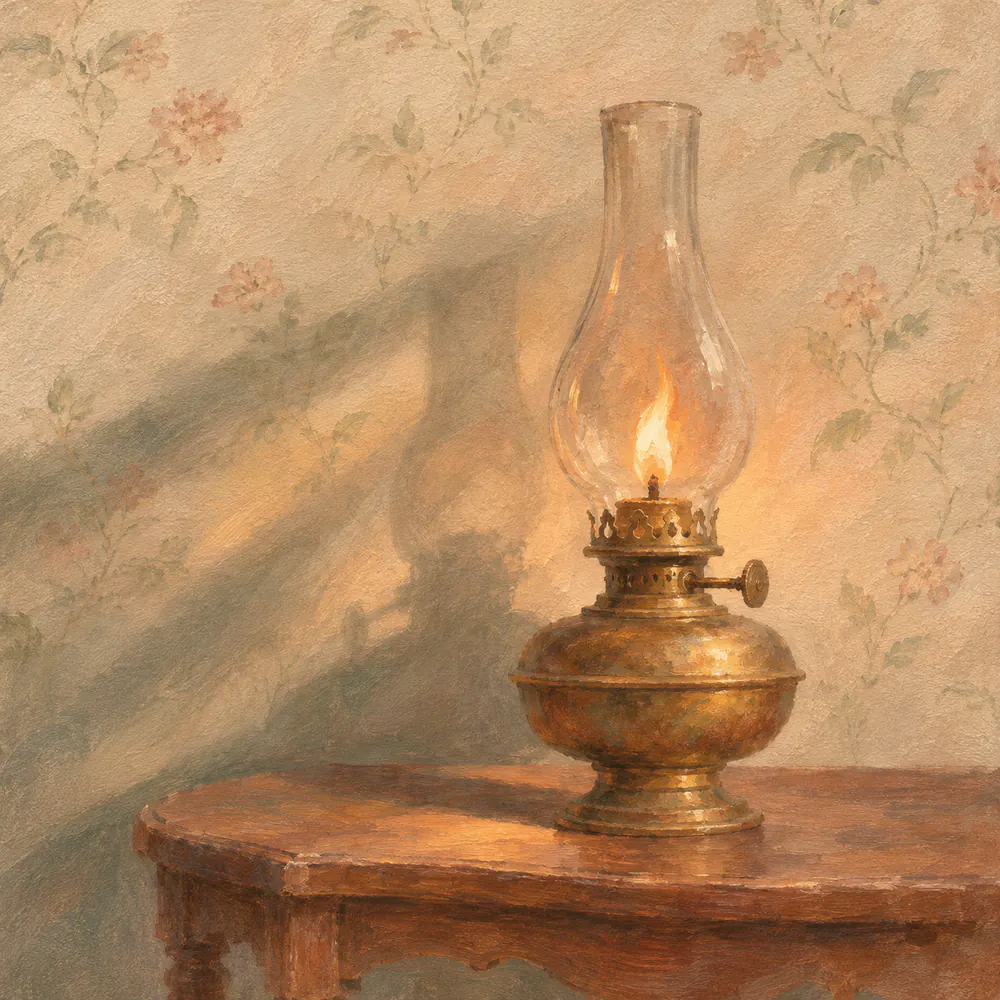
A spark that warms leaves you more yourself, and a spark that burns asks you to become whoever keeps it alight.
What the spark gave you
Before you ask what you missed, ask what you were given. It is the kinder question.
Maybe you felt chosen. Maybe you felt seen, after a long time of feeling like part of the furniture. Maybe you felt rescued from a grey stretch of your life, or special, or understood at last.
Under all of these sits a particular ache, the ache to be chosen by someone exceptional. Not merely liked. Picked out, in a full room, by the person everyone else was watching. When that happens, every small doubt you have ever had about yourself goes quiet, at least for an evening.
That longing is not a weakness. The spark landed exactly on it, and you answered with what you had: warmth, attention, a willingness to see the good in someone.
It was not a test, and you did not fail it.
When charm hides a warning
Think of how they came into that party. Not walking in so much as arriving. The stories, the quick wit, the confidence that never seemed to wobble. People turned towards them. Then all of that attention turned on you, and the rest of the room went quiet.
Charm is not a fault. Plenty of people are warm and easy in company, and wonderful to know.
But charm can also be a skill, practised for years and pointed where it works. Confidence can lean on applause. And attention that intense is sometimes less about knowing you than about being admired by you. Someone who reads people quickly can sense what you most long to hear and become, for a season, the person who says it.
On a balcony at one in the morning, the two look identical. You could not have told them apart that night. Nobody could.
What tells them apart is time, and a very fast beginning leaves none. Four hours is long enough to feel known. It is not long enough to be known.
Why your body said 'this is it'
Most of us grew up on stories in which love arrives all at once, sudden and total. So when your heart raced, and you could not eat, and you thought of nothing else for a week, you did what those stories taught you. You called it recognition.
But a body that is stirred up is not the same as a body that has found something good. A racing pulse tells you that something large is happening. It cannot tell you whether the large thing is kind.
And when one person fills your every thought, it is natural to decide that they must matter enormously. Sometimes that only shows how much of your attention was being held.
So a spark can be plain attraction, and lovely. It can also be an alarm that you took for music.
From the inside, the two feel almost the same. That is not a flaw in you.
A spark that warms, a spark that burns
Not every spark is dangerous. Good love can have excitement in it, and desire, and laughter, and a little breathlessness. Aliveness was never the problem.
The difference lies in what the spark asks of you.
Does it leave you time to find out who someone is, or does it hurry you past your own caution?
Does it leave you more like yourself, or busy performing the version of you that holds their attention?
Is there some peace alongside the excitement, or only a hunger you cannot settle?
A spark that warms leaves you more yourself, and a spark that burns asks you to become whoever keeps it alight.
All of this looking back assumes that the person in the story can no longer reach you. If they can still frighten you, it is different. Perhaps there are threats, or they turn up where you are, read your messages or decide what you may spend. Perhaps there has been violence, or you are afraid of what leaving would set off. Then how it began is not today's question. Today's work is quieter and more practical: qualified support where you live, a person or two whom you trust, a plan made carefully and kept out of sight, and any notes stored where the other person cannot find them. Tell the true version of the story to those people first. Do not tell it to the person it is about.
Where there is no such danger, the lesson is a small one. You do not need to grow hard, or to stop being moved by people. You only need a little room between the feeling and the decision.
The next time someone asks how the two of you met, you can tell it at its real speed. The party, the look, the balcony. And then, without shame, the part you can hear now.
Questions to sit with
- When you tell the story of how you met, which part do you hear differently now?
- What did that first spark give you: the feeling of being chosen, seen, rescued, special, or something else?
- In those early weeks, was your body peaceful, or stirred up and hungry?
- What would you call that first feeling today: love, longing, hope, or something you do not yet have a word for?
One small step
Write a short note to your future self about sparks that arrive very fast. Three lines at most.
The first line says what the last one gave you. The second says what you did not look at because of it. The third says what you want to remember next time. Something like, 'It made me feel chosen. I did not look at the remark that stung, because I laughed it off. Next time, I want to remember that anyone worth knowing will still be there in a month.'
Keep it where you will see it before a second date, folded in your wallet or at the top of the notes on your phone. It is not a warning against feeling. It is a message from someone who knows you well.

Filed underTrauma Bond Recovery · Chemistry · Intensity · Self-Compassion
Keep reading
More from The Untangled Blog
Manipulation & Self-Trust
That Unsettling Feeling You Cannot Quite Name
The first sign may not be proof. It may be the feeling that something here is not right. How to listen to that feeling without panic, and without talking yourself out of it.
5 min read · May 1, 2026

Womanhood & Homecoming
When the Life That Looks Right Does Not Feel Like Home
You did what you were supposed to do, and people tell you how well it turned out. If part of you still feels far from home, that is not ingratitude, and it does not mean your life has to be torn down.
6 min read · November 18, 2026
Womanhood & Homecoming
The Scripts You Never Chose
The fairy tale, the girlboss, the perfect body, the good daughter. Each script promised you something real. The question is not which one is correct, but whether you ever chose the one you are living by.
6 min read · November 18, 2026

Get new essays in your inbox
A short note when a new essay is published. Nothing in between.