




They took two hours to answer, so you have decided to take three. Your reply has been written for some time, and it is a good one, friendly and light, with nothing in it that looks like waiting.
You are watching the clock.
The strange part is that you wanted to answer at once. You were glad to hear from them. But glad is not the plan. The plan is to look like someone whose afternoon was too full to notice.
Somewhere in the third hour a small, tired question comes up. If this is winning, why does it feel so much like waiting?
How the game begins
Nobody sets out to be less honest. Nearly every game starts out as protection.
It starts after you cared and felt foolish for it. After something you said in an open moment was used against you later. After you noticed that the people who seemed not to care were the ones being pursued.
The one who was left learns to leave first. The one who was teased for needing reassurance learns to look as if she needs nothing.
Then strategy offers its services. Wait before you reply. Show less than you feel. Seem busy. Keep another conversation warm, just in case. It promises that you will never again be the one who cares more.
For a while it works. A game gives you the feeling of control, and after being hurt, that feeling is hard to refuse.
What it cannot give you is rest. What you win by performing, you have to keep by performing.
The game ends on the day a quiet evening looks better to you than a win.
Manipulation is not power
From a distance, the best players look powerful. They are never caught wanting anything. They always know what to say, and they can make another person eager, jealous or unsure.
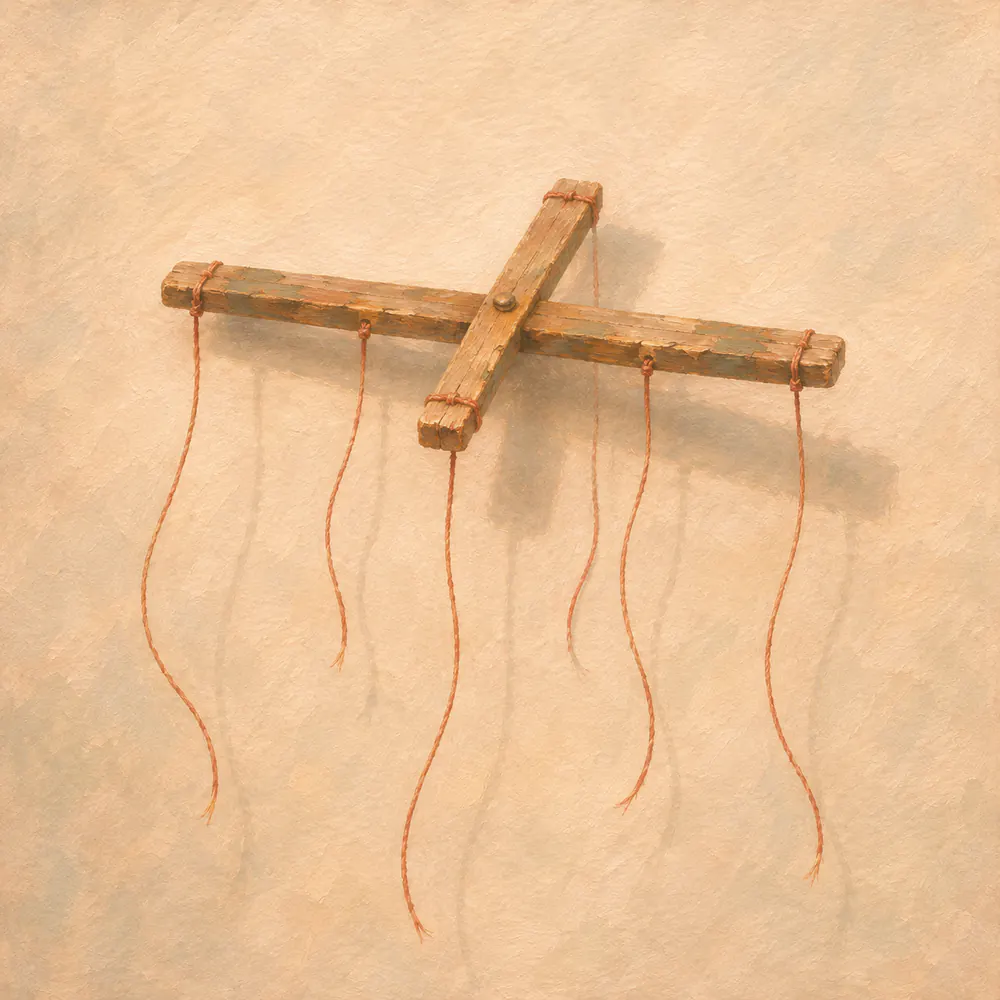
Look closer, and manipulation is not power. It is fear with tools.
Underneath it sits a belief that honest connection is too dangerous, so the truth has to be managed. People are nudged, tested or kept a little anxious until they produce what is wanted. A reply held back for an hour is a very small version of this, and it runs on the same belief.
You may have met the larger version from the other side, and promised yourself you would never be naive again. Keep that promise. But discernment and strategy are different things.
Discernment watches what is real and leaves what does not fit. Strategy arranges things until it gets the result it wants. One can say where its limit is. The other goes cold and waits for the limit to be guessed.
The first leaves two people free. The second leaves two people managing each other.
What the moves are trying to win
Look at the moves one at a time, and they are all after the same thing. Proof.
The chase wants proof that you can be chosen by someone hard to reach. It feels like devotion because it uses so much of you, the decoding, the adjusting, the hoping. But effort poured into someone who gives little back is not devotion. It is exhaustion with a romantic name.
The test wants proof that they care, without the risk of asking. You pull back to see whether they follow. You mention someone else to see whether it stings.
The backup audience wants proof that you are wanted by somebody, if not by them. An ex who still answers in fragments. A photograph posted for many people and meant for one.
All of it aims at being chosen. And a person can be chosen without being loved. You can be chosen because you are convenient, because you ask for little, because the performance is good.
So the useful question is no longer how to get chosen. It is what you are being chosen for, and whether you could live there as you are.
Integrity is the quieter strength
The opposite of a game is not telling everyone everything. It is integrity, which only means that the inside and the outside match.
You do not act indifferent when you are interested. You do not keep someone hopeful as a spare, or build closeness by making a person anxious. And where you would have made a move, you say a sentence.
'I had a good time. I would like to see you again this week.'
'I am looking for something that could become a commitment. Is that where you are?'
Being straight is not the same as being unguarded. You can like someone and still watch whether what they do matches what they say.
None of this applies where you are afraid of the other person. If you weigh your words because of someone's temper, threats or checking, that is not a move in any game. It is how you are keeping yourself safe, and you do not owe that person more openness. What helps there is the support of people you trust and of qualified people where you live.
Honesty will not guarantee the answer you hoped for. Some people lose interest the moment you stop performing. Let them go. They have told you what they were interested in.
Why stopping can feel like losing
When you stop playing, it can feel at first as if you have lost.
Nobody is being drawn back. Nobody is wondering about you. There is no clever silence to keep and no victory to count. There is a quiet evening, and a reply you sent when you felt like sending it.
Games hurt, but they made you central. Someone hard to read gave you a puzzle. Someone pulling away gave you a task. Peace takes the task away and leaves you with yourself.
That is not emptiness. It is your attention coming home. With it come sleep, appetite, humour, friends and the evenings you used to spend decoding. And a question you may not have asked for a long time, which is what you want apart from winning.
You do not leave by losing. The game ends on the day a quiet evening looks better to you than a win.
That day may be slow in coming. You are allowed to wait for it without going back to the clock.
Questions to sit with
- Which move do you reach for first when you are unsure of someone: the delay, the test, the cool tone or the post?
- What was that move protecting you from when you first learned it?
- Whose attention do you keep warm in case the person you want does not choose you?
- Where have you been chosen for something you were performing?
- If you were not trying to win, what would you say to this person this week?
One small step
Try a game detox for one week, with three plain rules.
Answer when you actually can, not sooner to seem keen and not later to seem busy. Where you would have made a move, say the direct sentence, such as 'I would like to see you' or 'I was hurt by that.' And post nothing that is meant for one person's eyes.
The old urge will still come. You can feel it and not follow it. Each time there is no move to make, notice what is there in its place. Restless, bored, exposed, relieved. That feeling is what the game was covering, and it is worth meeting.

Filed underWomanhood & Homecoming · Dating Games · Integrity · Inner Peace
Keep reading
More from The Untangled Blog

Manipulation & Self-Trust
That Unsettling Feeling You Cannot Quite Name
The first sign may not be proof. It may be the feeling that something here is not right. How to listen to that feeling without panic, and without talking yourself out of it.
5 min read · May 1, 2026

Womanhood & Homecoming
When the Life That Looks Right Does Not Feel Like Home
You did what you were supposed to do, and people tell you how well it turned out. If part of you still feels far from home, that is not ingratitude, and it does not mean your life has to be torn down.
6 min read · November 18, 2026

Womanhood & Homecoming
The Scripts You Never Chose
The fairy tale, the girlboss, the perfect body, the good daughter. Each script promised you something real. The question is not which one is correct, but whether you ever chose the one you are living by.
6 min read · November 18, 2026

Get new essays in your inbox
A short note when a new essay is published. Nothing in between.